
The Life-Changing Benefits of Invisalign
Ditch the metal! Invisalign offers a comfortable, discreet path to a straighter smile. Discover how it can boost confidence, improve oral health, and transform your life. Learn more!
Waterloo, ON Dentist
Straightening your teeth no longer means committing to a mouth full of metal. Clear aligners have given many adults and teens a more discreet way to work toward a straighter smile, and they have become a common topic of conversation in our office here on Parkside Drive. If you have ever held back from orthodontic treatment because of how braces look or feel, aligners may be worth a closer look.
Dr. Cathy Bekhyt is an Invisalign provider at Parkside Drive Dental, and she is glad to talk through whether clear aligners suit your situation. We have cared for Waterloo families since 1998, and we believe the clearest way to decide is an honest, unhurried conversation. This post walks through what Invisalign is, how the process unfolds, and what to think about as you weigh your options.
What Invisalign is and how it works
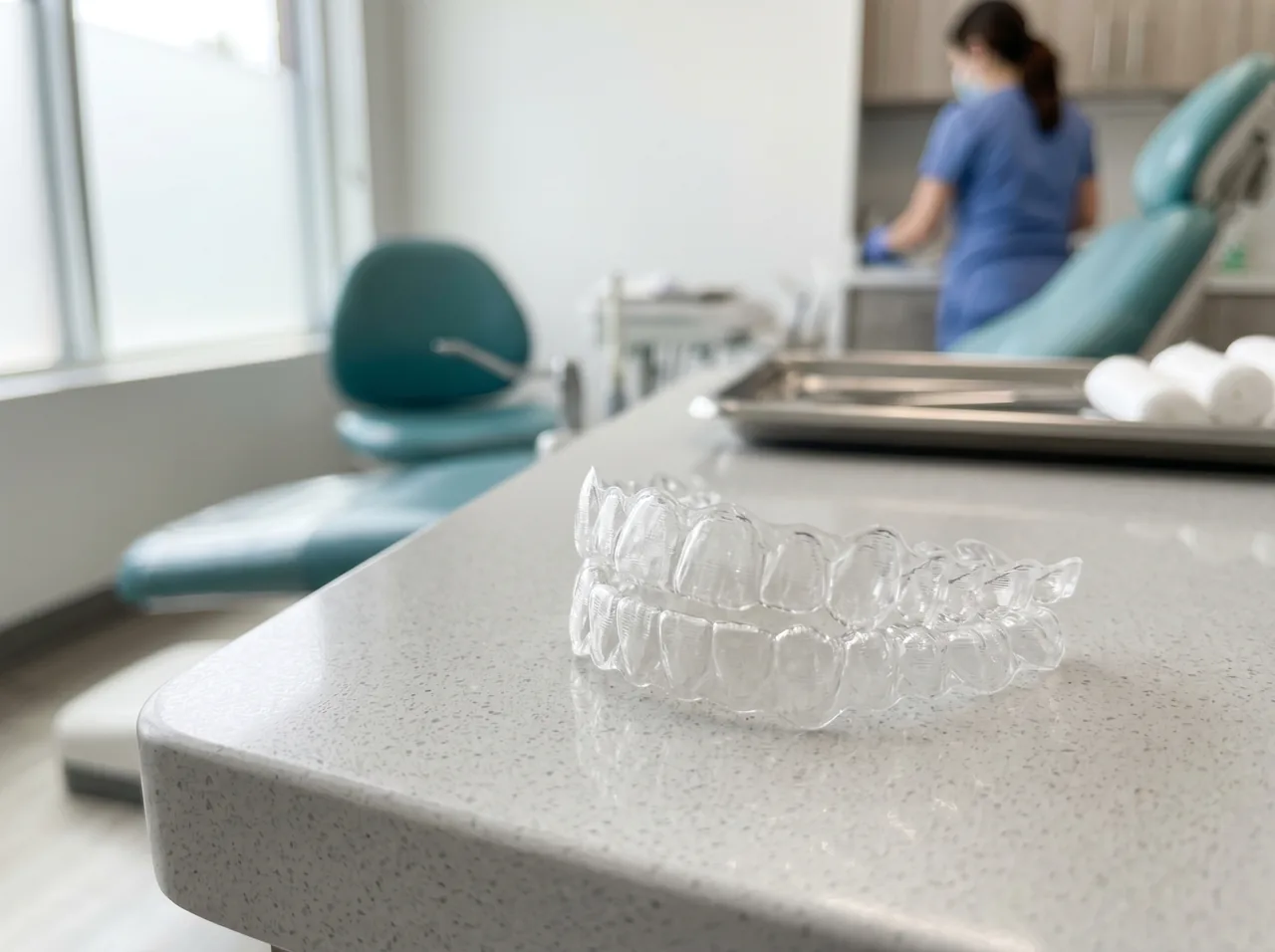
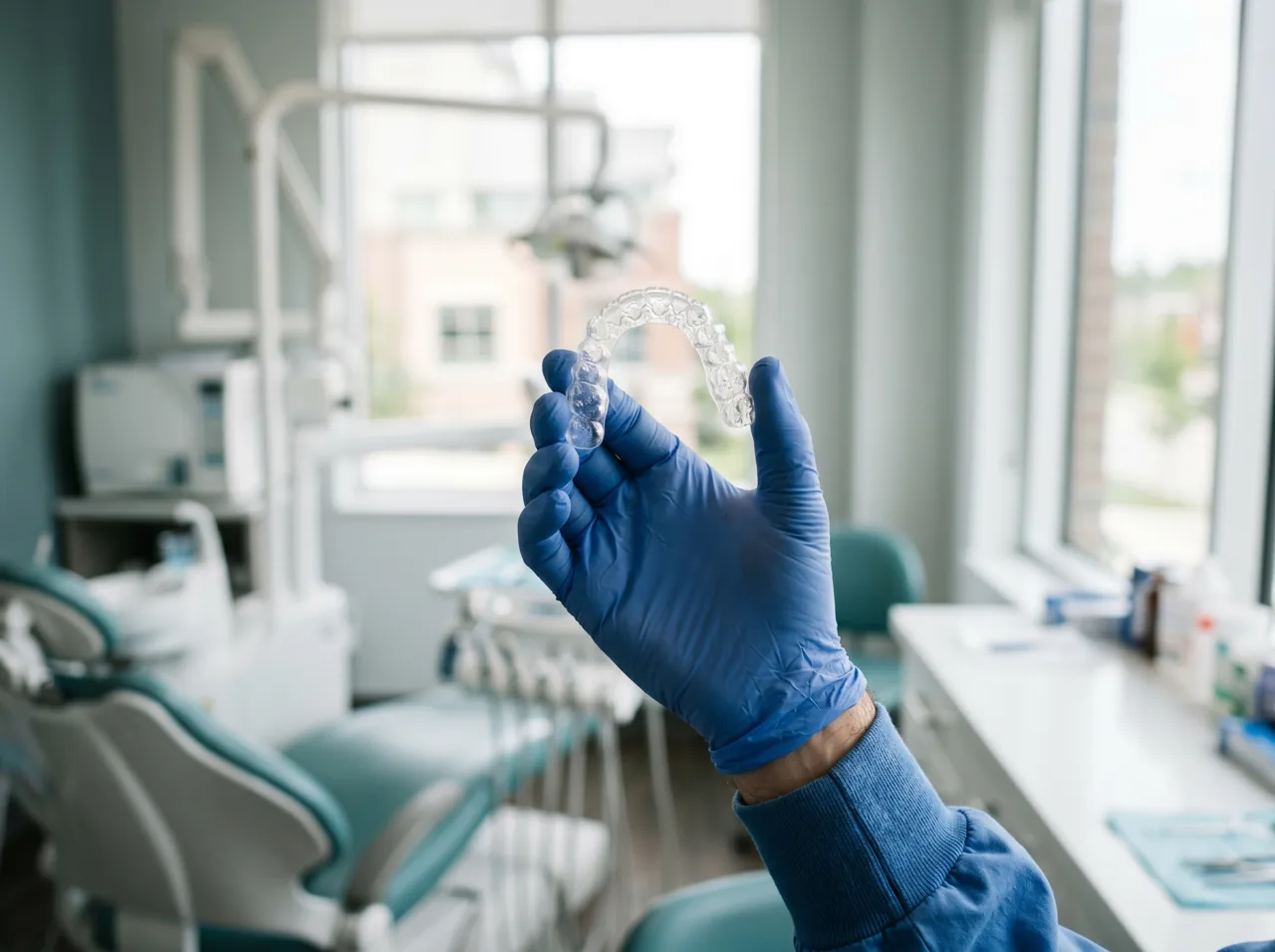
Invisalign is a system of clear, removable aligners that gradually guide teeth toward a straighter position. Instead of fixed brackets and wires, you wear a series of custom-made plastic trays that fit snugly over your teeth. Each set is shaped a little differently from the last, so as you move through the series your teeth shift in small, planned steps.
The aligners are made from a smooth, transparent material designed to sit closely against the teeth. You typically wear each set for a couple of weeks before moving to the next, and you keep them in for most of the day and night, removing them to eat, drink anything other than water, and clean your teeth. Because the trays are clear and fit closely, they tend to be subtle in everyday situations like work, school, or social events.
How treatment is planned
Clear aligner treatment relies on digital planning. After an examination, we take a detailed scan of your teeth, which creates a three-dimensional model of your mouth. From that model, the movement of your teeth is mapped out from the starting point through each planned stage, and your custom aligners are manufactured to match that sequence.
This digital approach lets us preview the intended path of treatment before you begin, so you have a clearer sense of what the process involves and roughly how long it may take. Every mouth is different, and the plan is built around your specific teeth rather than a one-size-fits-all template. We will review the plan with you and answer questions before any aligners are made.
Potential benefits of clear aligners
Many people are drawn to Invisalign for reasons that go beyond appearance, though the discreet look is often what first catches their attention. Some of the features patients tend to appreciate include:
- A discreet appearance: The aligners are clear and fit closely over the teeth, so they are often hard to notice in daily life.
- Removable for meals: Because you take the trays out to eat, there are no food restrictions, and you can enjoy your usual meals.
- Easier oral hygiene: You remove the aligners to brush and floss as you normally would, rather than working around brackets and wires.
- Comfort considerations: The smooth plastic has no metal brackets or wires, which some people find more comfortable against the cheeks and lips, though it is normal to feel pressure when starting a new set.
- Digital planning: Treatment is mapped out from a digital scan, giving a clear, step-by-step path from start to finish.
- Fewer in-office adjustments for some: Aligners do not need the periodic tightening that braces do, so some patients have fewer adjustment visits, though regular check-ins are still part of the process.
It is worth keeping expectations realistic. Results depend a great deal on wearing the aligners consistently, usually around 20 to 22 hours a day, and on following the plan your dentist sets. The trays only work while they are in your mouth, so steady, daily wear matters.
What clear aligners can help address
Invisalign is often considered for a range of common alignment and spacing concerns. These can include crowding, where there is not enough room for teeth to sit in a row; spacing or gaps between teeth; and some milder bite issues, such as certain overbites, underbites, or crossbites. Many everyday cases fall within what clear aligners are designed to handle.
That said, clear aligners are not the right tool for every situation. More complex bite problems, significant jaw alignment concerns, or teeth that need substantial movement may be better suited to traditional braces or to care from an orthodontist. There is nothing wrong with either path; the goal is simply to match the treatment to the problem. After an examination, we can give you a straightforward assessment of whether aligners are a sensible fit for your teeth or whether another approach deserves consideration.
Suitable for adults and teens
Clear aligners are used by both adults and teens. For adults, the discreet look is often a deciding factor, since many feel self-conscious about visible braces at work or in social settings. Plenty of people who never had orthodontic treatment as children, or whose teeth have shifted over the years, find aligners an approachable way to revisit the idea.
Teens can also be candidates, and aligner systems designed with younger patients in mind exist. Because aligners are removable, they call for a degree of responsibility and consistent wear, so a candid talk about routines and reminders is part of deciding whether they suit a teenager. During a consultation, Dr. Bekhyt can help families weigh whether clear aligners or another option makes the most sense for a younger patient.
The treatment journey, step by step
While every plan is individual, clear aligner treatment usually follows a familiar path from first visit to finished result. Here is a general outline of what to expect:
- Consultation: We examine your teeth, talk through your goals, and discuss whether aligners are a reasonable fit for your situation.
- Digital scan: We capture a detailed scan of your teeth to build a three-dimensional model and map out the planned movements.
- Receiving your aligners: Your custom trays are made, and you begin wearing them, moving to a new set roughly every couple of weeks as directed.
- Check-in visits: You return periodically so we can confirm your teeth are tracking with the plan and answer any questions.
- Retainers: Once treatment wraps up, retainers help hold your teeth in their new position, since teeth can drift over time without them.
The retainer stage is easy to overlook but genuinely important. Teeth have a natural tendency to move, and wearing a retainer as directed is what helps keep your results in place over the long run. We will explain your retainer routine clearly when you reach that point.
Caring for your aligners
Looking after your aligners keeps them clear and helps your mouth stay healthy throughout treatment. A few simple habits make a real difference: rinse your aligners when you take them out, and clean them gently rather than letting bacteria and film build up. Brush and floss your teeth before putting the trays back in, so you are not sealing food and plaque against your teeth.
- Rinse your aligners each time you remove them, and clean them gently as your dentist recommends.
- Remove the trays to eat and to drink anything other than plain water, which helps prevent staining and damage.
- Brush and floss before reinserting your aligners so debris is not trapped against your teeth.
- Store your aligners in their case when they are out, rather than wrapping them in a napkin where they are easily lost or tossed.
- Avoid hot water, which can warp the plastic and affect the fit.
Good daily care also means keeping up with your regular dental visits during treatment. Cleanings and checkups remain part of staying healthy while you work through your aligner series, and we are glad to coordinate those alongside your clear aligner appointments.
Booking a consultation in Waterloo
The most reliable way to find out whether Invisalign suits you is a conversation with a dentist who can examine your teeth and explain your options plainly. Some people are well suited to clear aligners, others are better served by traditional braces, and a consultation is where that becomes clear. We will give you a candid picture of what is realistic for your situation, with no pressure either way.
If you are in Waterloo, Kitchener, or the surrounding area and curious about clear aligners, Dr. Cathy Bekhyt at Parkside Drive Dental would be glad to talk it through. Call us at (519) 885-0810 or use our online appointment request page to book a consultation, and we will help you understand whether Invisalign is a good fit for your smile.
Waterloo, ON Dentist FAQs
Are Invisalign aligners noticeable?
The aligners are made from a clear material and fit closely over your teeth, so they tend to be subtle in everyday situations like work, school, and social events. Many people find them far less visible than traditional braces, though how noticeable they are can vary from person to person.
How long does clear aligner treatment take?
Treatment length depends on your specific teeth and how much movement is needed, so there is no single answer. Because the plan is built from a digital scan, we can give you a clearer sense of the expected timeline during your consultation. Wearing your aligners consistently each day is one of the biggest factors in staying on schedule.
Do I have to wear the aligners all the time?
For the best progress, aligners are generally worn around 20 to 22 hours a day, removed mainly to eat, drink anything other than water, and clean your teeth. The trays only move your teeth while they are in your mouth, so consistent daily wear is an important part of the process.
Can I eat normally with Invisalign?
Yes. Because the aligners are removable, you take them out to eat, so there are no food restrictions like those that come with braces. Just remember to brush and floss before putting the trays back in, and to remove them for drinks other than plain water to help avoid staining.
Is Invisalign right for everyone?
Not always. Clear aligners suit many common cases of crowding, spacing, and milder bite concerns, but more complex bite or jaw issues may be better addressed with traditional braces or care from an orthodontist. After an examination, we can give you a straightforward assessment of which approach fits your situation.
Will I need a retainer after treatment?
Yes, retainers are an important final step. Teeth naturally tend to shift over time, and wearing a retainer as directed helps hold your teeth in their new position. We will explain your retainer routine clearly once you complete your aligner series.
Our professional associations
Parkside Drive Dental is a member in good standing with the dental community's leading regulatory and education bodies.




Book Your Visit at Parkside Drive Dental
- Address: 550 Parkside Drive, Unit A5, Waterloo, ON N2L 5V4
- Phone: (519) 885-0810
- Email: [email protected]
Ready to book with Parkside Drive Dental?
New patients are always welcome at our Unit A5 clinic. Call (519) 885-0810 or request an appointment online.
Book an Appointment