
How Dental Crowns Can Enhance Your Smile
Cracked, chipped, or discolored teeth? Dental crowns can be your smile's superhero! This blog explores how crowns improve appearance, restore function, and boost confidence. Learn if crowns are right for you!
Waterloo, ON Dentist
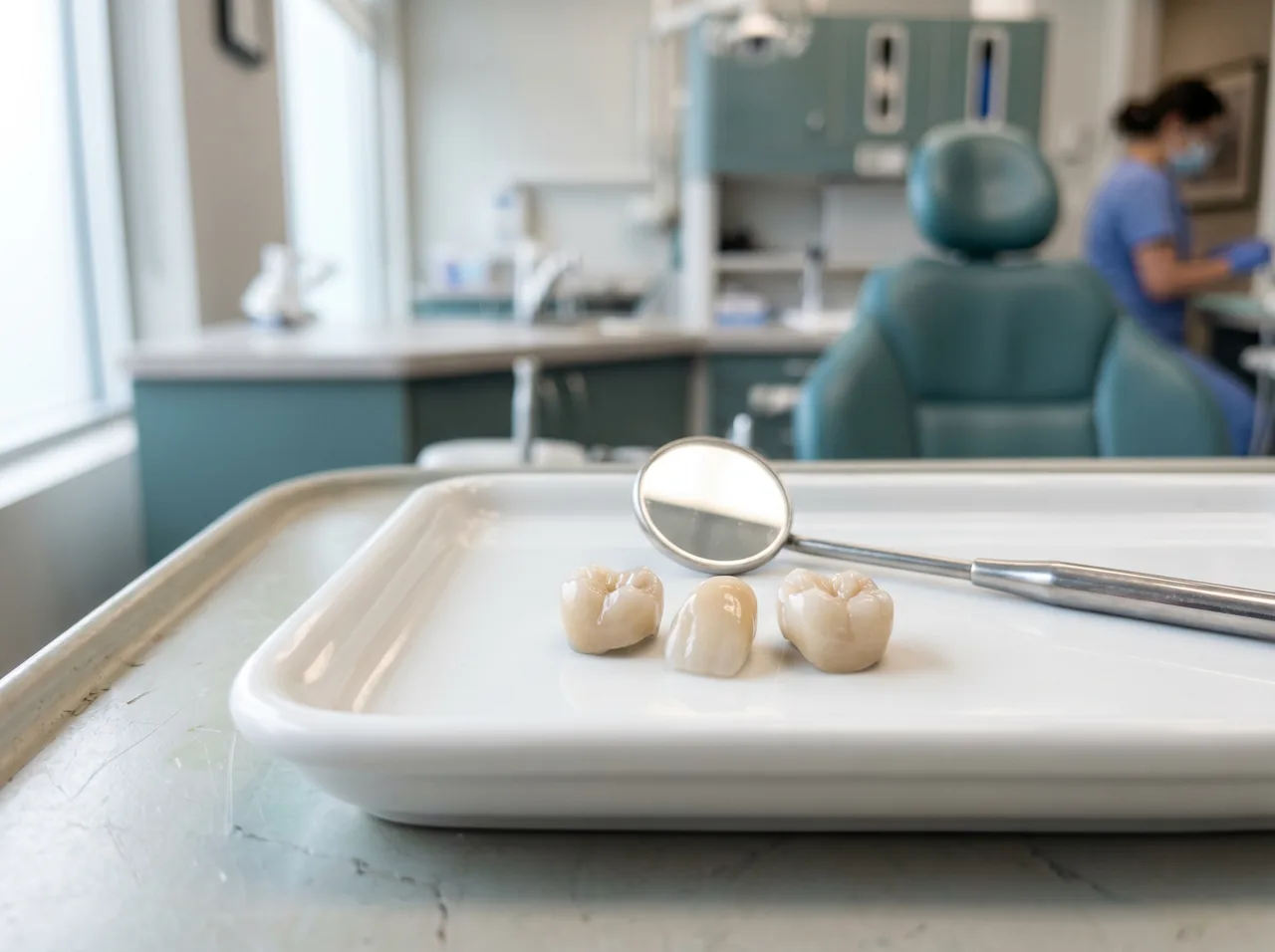
A dental crown is a custom-made cap that fits over a tooth to restore its shape, strength, and appearance. When a tooth has been weakened by decay, a crack, or wear, a crown covers what remains and lets the tooth work and look like it should again. At Parkside Drive Dental in Waterloo, Dr. Jacqueline Whiteside and Dr. Cathy Bekhyt have cared for families here since 1998, and we take time to explain each step so you understand why a crown might be the right choice for your tooth.
Crowns do a lot of quiet work in everyday dentistry. They hold a fragile tooth together, protect one that has had a root canal, and tidy up the look of a tooth that has chipped or worn down over the years. This page walks through what a crown is, the reasons one might be recommended, the materials used and how a material is chosen, what the appointments involve, and how to keep a crown in good shape so you know what to expect from start to finish.
What is a dental crown?
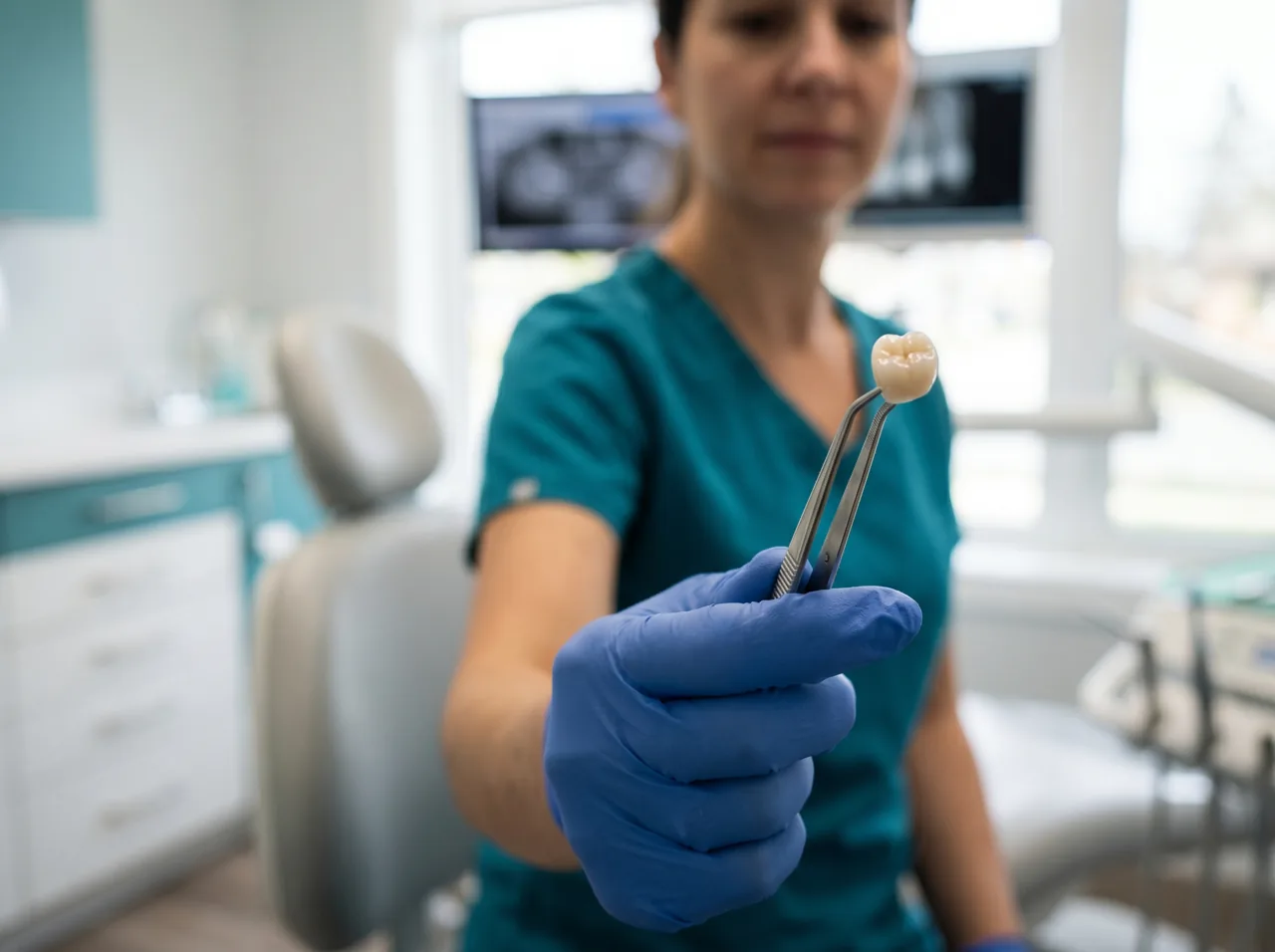
A crown is a hollow, tooth-shaped cover that is cemented over an existing tooth or a dental implant. Once it is in place, it becomes the new outer surface of the tooth, taking on the job of biting and chewing while shielding the more vulnerable structure underneath. Unlike a filling, which replaces a portion of a tooth, a crown wraps around the whole visible part above the gumline.
Crowns are made to match the size, contour, and shade of your natural teeth so they blend in alongside them. They are shaped from durable materials and fitted to your bite, which means a well-made crown should feel and function much like the tooth it is restoring. Because each one is custom built for a single tooth, no two crowns are exactly alike.
Common reasons for a dental crown
A crown is usually recommended when a tooth needs more support than a filling can give, or when restoring its appearance calls for full coverage. The goal is always to keep your natural tooth working for as long as possible rather than replacing it. Here are the situations where a crown often comes up.
- A cracked, fractured, or weakened tooth that needs to be held together and protected from further damage
- A tooth that has had a root canal and needs reinforcement, since it can become brittle once the inner tissue is gone
- A tooth with a large filling, where not enough natural structure remains to support the filling on its own
- A worn tooth that has been ground down over time, often from grinding or an uneven bite
- A misshapen or discoloured tooth where a crown can improve how it looks within your smile
In each of these cases, the tooth is too compromised to rely on a smaller repair. Covering it fully spreads the force of chewing across the whole crown rather than concentrating it on a thin or cracked spot. We will examine the tooth and talk through whether a crown is the right fit or whether a more conservative option would do the job.
Crown materials and how one is chosen
Crowns can be made from several different materials, and each has its own strengths. The right choice depends on which tooth needs the crown, how much chewing force it takes, how visible it is when you smile, and what you prefer once we have talked through the options.
- All-porcelain or all-ceramic crowns, which closely mimic the look of natural enamel and are often used for front teeth where appearance matters most
- Porcelain-fused-to-metal crowns, which pair a tooth-coloured outer layer with a metal base for added strength
- Metal crowns, made from gold or other alloys, which are hard-wearing and gentle on opposing teeth, often used for back teeth out of sight
- Ceramic materials such as zirconia, which combine a natural look with durability
For a tooth near the front, we usually lean toward a material that matches the surrounding teeth closely. For a back molar that handles heavy chewing, strength may take priority. We will weigh these factors with you, considering the location of the tooth, your bite, and your preferences, then recommend a material that suits both the function and the look of the tooth.
The step-by-step crown process
Getting a crown usually takes two visits, though the exact timing depends on the tooth and the type of crown. We walk you through each stage and keep you comfortable along the way, so there are no surprises between the first appointment and the final fitting.
At the first visit, we examine the tooth, sometimes with an X-ray, to check that the structure underneath is healthy enough to support a crown. Once we have confirmed the plan, the appointment generally follows these steps.
- We numb the area with local anaesthetic so the tooth and surrounding tissue stay comfortable
- We prepare the tooth by reshaping it and removing any decay, making room for the crown to fit over it
- We take an impression or digital scan of the tooth so the crown is built to match your bite and neighbouring teeth
- We fit a temporary crown to protect the prepared tooth while the permanent one is made
- At a second visit, we remove the temporary, check the fit and shade of the permanent crown, and cement it in place
Before we cement the final crown, we make sure it sits comfortably and that your bite feels even. If anything feels high or off, tell us and we will adjust it. We want the crown settled and natural-feeling before you leave, not something you have to get used to over the following weeks.
Caring for your crown and how long it lasts
A crown does not need anything unusual in the way of upkeep, but it does rely on the tooth and gum underneath staying healthy. The crown itself will not decay, yet the natural tooth at its base still can, so good daily habits matter just as much as they did before. A few simple steps keep a crown in good shape.
- Brush twice a day and floss around the crown to keep the gumline and the tooth beneath it clean
- Avoid biting hard objects such as ice or pen caps, which can chip or loosen a crown
- Wear a nightguard if you grind your teeth, since grinding wears on crowns over time
- Keep up regular checkups so we can monitor the crown and the tooth supporting it
How long a crown lasts varies from person to person and depends on the material, the bite, and daily care. Many crowns serve well for years, and some last considerably longer. Habits like grinding, chewing very hard foods, or skipping cleanings can shorten that span. At your checkups we keep an eye on each crown and let you know if anything needs attention before it becomes a larger problem.
How crowns support both function and appearance
A crown works on two fronts at once. On the practical side, it restores a tooth's ability to bite and chew by covering and reinforcing what was weakened, which lets you eat comfortably and use the tooth normally again. It also protects the remaining structure from cracks spreading or decay returning, helping you hold onto your natural tooth.
On the appearance side, a crown is shaped and shaded to fit in with the teeth around it, so a tooth that was chipped, worn, or discoloured looks more even within your smile. Because the two go hand in hand, restoring a tooth's strength and tidying up its look usually happen together. We aim for a result that feels natural when you chew and blends in when you smile.
Crowns for Waterloo families since 1998
Parkside Drive Dental is a family practice serving Waterloo and the nearby communities of Kitchener, Laurelwood, and Conestogo. For more than two decades, Dr. Jacqueline Whiteside, Dr. Cathy Bekhyt, and our team have looked after patients of all ages with general and family dental care, including crowns when a tooth needs the extra protection. We take time to explain your options and answer your questions so you can decide with confidence.
If you have a tooth that is cracked, worn, heavily filled, or has had a root canal, a crown may be worth considering. Request a visit through our appointment request page or call the office at (519) 885-0810, and we will set up a time to assess the tooth and talk through the options. Our clinic is at 550 Parkside Drive, Unit A5, in Waterloo, and we welcome new and returning patients from across the region.
Waterloo, ON Dentist FAQs
How long does getting a crown take?
A crown usually involves two visits, with the tooth prepared and impressions taken at the first and the permanent crown fitted at the second. Each appointment generally runs about an hour, though the exact timing depends on the tooth. We will give you a clearer estimate once we have examined it.
Does getting a crown hurt?
We numb the tooth and the surrounding tissue with local anaesthetic before preparing it, so the procedure is meant to keep discomfort to a minimum. Some mild sensitivity afterward is common and usually settles within a few days. If comfort is on your mind, let us know and we will take extra time to put you at ease.
How long do dental crowns last?
How long a crown lasts depends on the material, your bite, and how well it is cared for. Many crowns serve well for years, and some last considerably longer. Good daily brushing and flossing, avoiding hard objects, and regular checkups all help a crown hold up over time.
How do I choose the right crown material?
The choice depends on which tooth needs the crown, how much chewing force it handles, how visible it is, and your own preferences. Front teeth often call for a material that closely matches natural enamel, while back teeth may benefit from added strength. We will talk through the options and recommend one that suits your tooth.
Do I need to care for a crown differently?
A crown does not need special products, but the tooth and gum underneath still need daily care. Brush and floss around the crown as you would any tooth, since the natural tooth at its base can still decay. Avoid biting hard objects, and keep up regular checkups so we can monitor it.
Can a crown improve how my tooth looks?
Yes, a crown is shaped and shaded to blend in with the teeth around it, so a tooth that is chipped, worn, or discoloured can look more even within your smile. Because a crown restores strength and appearance together, the function and the look of the tooth are usually addressed at the same time.
Our professional associations
Parkside Drive Dental is a member in good standing with the dental community's leading regulatory and education bodies.




Book Your Visit at Parkside Drive Dental
- Address: 550 Parkside Drive, Unit A5, Waterloo, ON N2L 5V4
- Phone: (519) 885-0810
- Email: [email protected]
Ready to book with Parkside Drive Dental?
New patients are always welcome at our Unit A5 clinic. Call (519) 885-0810 or request an appointment online.
Book an Appointment